
Nutrition · 6 min read
Food First: The Evidence on Nutrition, Supplements and Healthier-Looking Hair
Protein, iron, zinc, vitamin D and biotin — what research actually says about nutrition and hair, and when supplements make sense.
By the Greatest Vitality editorial team · October 21, 2026
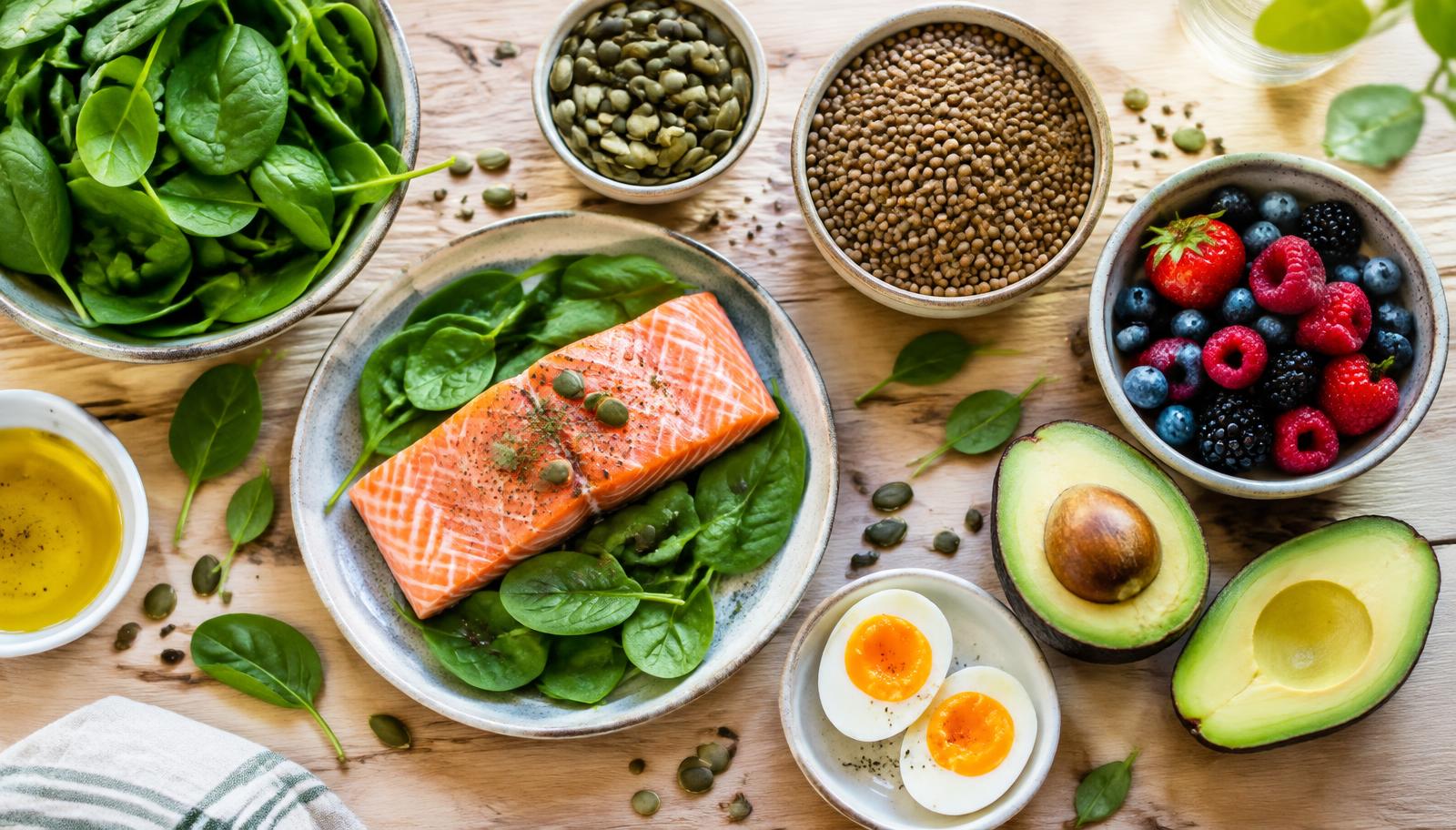
Hair follicles are among the most active tissues in the body, so it makes sense that nutrition matters. But the supplement aisle promises far more than the evidence supports. The most consistent finding in research is simple: correcting a genuine deficiency can help, while adding extra nutrients on top of normal levels rarely does. Here is how to build a food-first approach that supports your scalp and hair.
Why your plate comes before the pill bottle
Hair is built mostly from keratin, a protein. Producing it requires adequate total energy, protein, and a range of vitamins and minerals. When the body is short on resources — during crash dieting, for example — hair is a low priority, and shedding may increase a few months later. A varied diet with enough protein covers the needs of most healthy adults without special products.
Values from the U.S. National Institutes of Health Office of Dietary Supplements (RDA). Iron needs are higher during pregnancy.
The nutrients with the strongest links to hair
Protein
The general adult recommendation is about 0.8 grams of protein per kilogram of body weight daily. Very low intake is associated with increased shedding. Spreading protein across meals — eggs, Greek yogurt, fish, poultry, beans, lentils, tofu — is an easy, sustainable habit.
Iron
Iron deficiency is the most common nutritional deficiency worldwide and is especially relevant for people who menstruate. Several studies have explored links between low iron stores (ferritin) and hair shedding in women. The key point: iron should only be supplemented after a blood test, because excess iron can be harmful.
Vitamin D and zinc
Low vitamin D levels have been observed more often in some people experiencing hair loss, though cause and effect is not established. Zinc is involved in tissue growth and repair; deficiency is linked with hair changes, but high-dose zinc can interfere with copper absorption. Again, testing before supplementing is the sensible route.
Biotin: the most oversold hair supplement
Biotin is heavily marketed, yet true biotin deficiency is rare in people eating a normal diet. Reviews have found little evidence that biotin helps people who are not deficient. Importantly, the U.S. FDA has warned that high-dose biotin can interfere with certain lab tests, including some heart and thyroid tests, potentially causing inaccurate results.
| Nutrient | Good food sources | Supplement only if… |
|---|---|---|
| Protein | Eggs, fish, poultry, dairy, legumes, tofu | Diet is restricted and a professional advises it |
| Iron | Red meat, lentils, spinach, fortified cereals | A blood test shows low iron/ferritin |
| Zinc | Shellfish, beef, pumpkin seeds, chickpeas | Deficiency is identified |
| Vitamin D | Oily fish, eggs, fortified milk, sunlight | Levels are tested as low |
| Biotin | Eggs, nuts, seeds, salmon | Rarely needed — tell your lab before tests |
Greatest Vitality editorial summary of published reviews; 5 = strong human evidence of benefit, 0 = no meaningful evidence.
A simple food-first checklist
Do
Include a protein source at each main meal
Eat iron-rich foods with vitamin C (e.g. lentils with peppers)
Choose a colourful mix of vegetables, fruit, nuts and seeds
Ask your clinician about blood tests if shedding persists
Tell your lab if you take biotin before any blood test
Avoid
Crash diet or cut calories drastically
Self-prescribe iron without testing
Stack several hair supplements with overlapping ingredients
Expect results in less than a few months
Rely on supplements to replace a balanced diet
Pregnant or breastfeeding? Review any new supplement with your clinician first — nutrient needs and safe limits change during this time.
Setting realistic expectations
Scalp hair grows roughly one centimetre a month, and follicles take time to respond to any change. If you improve your diet or correct a deficiency, allow at least three to six months before judging how your hair looks and feels. Tracking with consistent monthly photos in the same light is far more reliable than daily mirror checks.
The takeaway
A balanced, protein-adequate diet is the foundation for healthy-looking hair. Supplements have a place when testing shows a gap — not as a shortcut. Spending on food first, and on testing before pills, is both the most evidence-based and the most budget-friendly approach.
Want the full step-by-step system?
The Dense Hair Project turns this research into a 4-week routine, shopping basket and tracker.
See The Dense Hair ProjectFrequently asked questions
References
- NIH Office of Dietary Supplements. Iron, Zinc, Vitamin C and Vitamin D Fact Sheets for Health Professionals.
- Almohanna HM, et al. The Role of Vitamins and Minerals in Hair Loss: A Review. Dermatol Ther (Heidelb). 2019;9(1):51-70.
- Patel DP, et al. A Review of the Use of Biotin for Hair Loss. Skin Appendage Disord. 2017;3(3):166-169.
- U.S. FDA. Biotin (Vitamin B7): Safety Communication — May Interfere with Lab Tests.
This article is for general education and is not medical advice. Speak with a qualified professional about your individual situation.